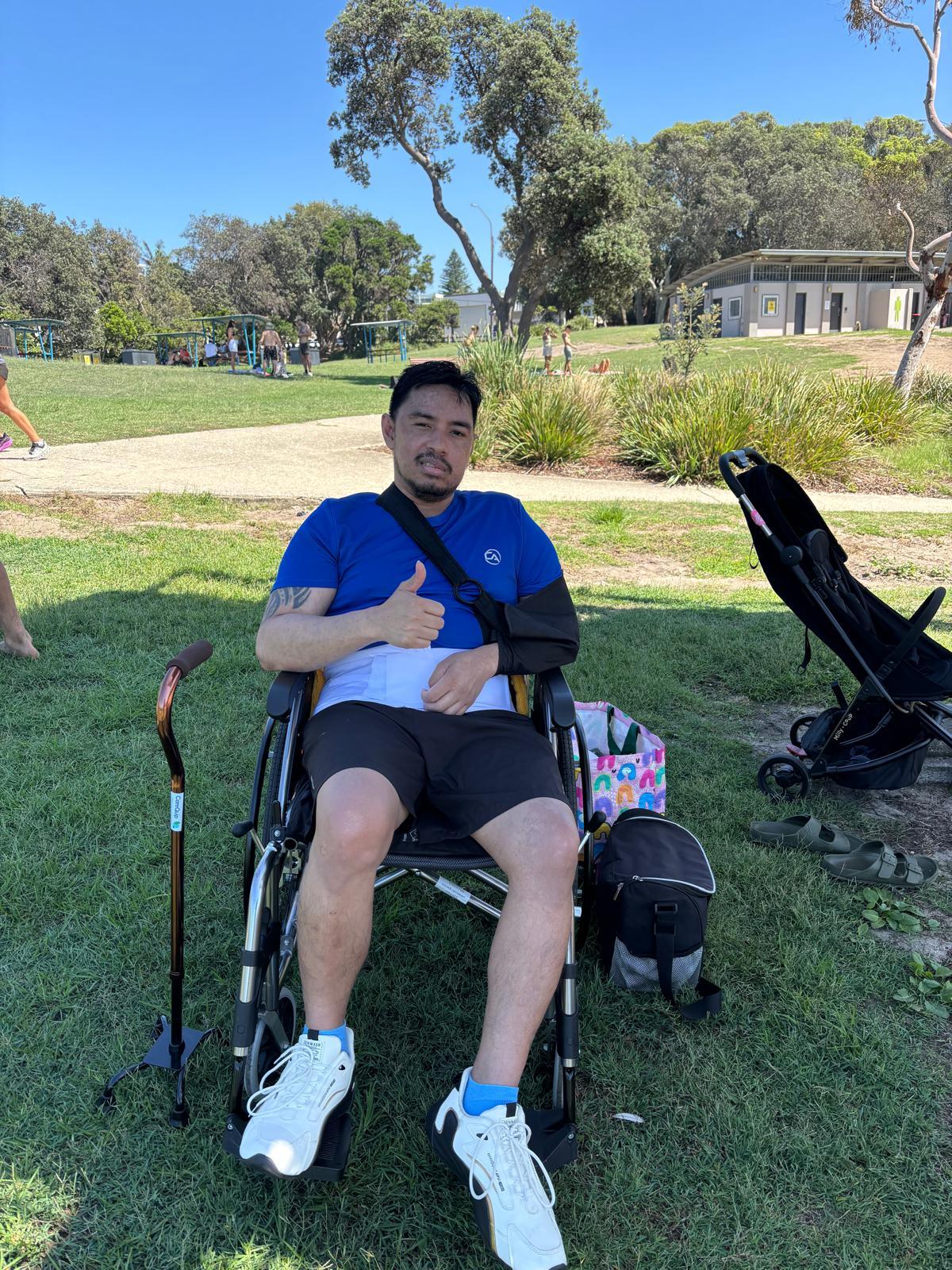
Power of Community Participation in NDIS
The Power of Community Participation in NDIS: Building Independence, Confidence, and Connection
In today’s world, connection is everything. For people living with a disability, meaningful social engagement can significantly improve confidence, independence, and overall wellbeing. That’s where community participation under the National Disability Insurance Scheme (NDIS) plays a vital role.
Providers like We R Family Disability Services are transforming lives by helping individuals step out into their communities, build relationships, and pursue fulfilling lifestyles. But what exactly is community participation, and why is it so important?
This guide explores everything you need to know—from benefits and examples to how the right support provider can make all the difference.
What Is Community Participation Under NDIS?
Community participation refers to activities that enable individuals with disabilities to engage in social, recreational, and community-based experiences. These activities are funded under the NDIS and are designed to promote inclusion and independence.
Rather than focusing solely on care, community participation emphasises living a full and connected life. It includes everything from attending social events to learning new skills or simply enjoying everyday outings.
At its core, community participation is about helping individuals:
Build social connections
Develop confidence
Gain life skills
Feel a sense of belonging
NDIS providers tailor these supports based on each participant’s interests, goals, and abilities, ensuring a personalised approach that truly makes a difference.
Why Community Participation Matters
1. Enhances Social Skills and Confidence
For many individuals, social interaction can feel overwhelming—especially without the right support. Community participation programs provide a safe and supportive environment to practice communication and interpersonal skills.
Whether it’s joining a group activity or attending a local event, these experiences gradually build confidence and reduce social anxiety.
2. Promotes Independence
Independence doesn’t happen overnight—it’s built through consistent exposure to real-world situations.
By participating in community activities, individuals learn how to:
Navigate public spaces
Make decisions
Manage daily routines
With support from experienced workers, participants gain the confidence to handle situations on their own over time.
3. Improves Mental Health and Wellbeing
Isolation can have a significant impact on mental health. Community participation helps combat loneliness by encouraging meaningful interactions and engagement.
Activities such as group outings, hobbies, or even casual meetups can:
Reduce stress
Boost mood
Increase overall happiness
Feeling connected to others plays a crucial role in emotional wellbeing.
4. Builds a Sense of Belonging
Everyone deserves to feel like they belong. Community participation creates opportunities for individuals to be part of something bigger—whether it’s a hobby group, cultural event, or social gathering.
This sense of belonging fosters self-worth and confidence, helping individuals feel valued and included.
Examples of Community Participation Activities
Community participation isn’t one-size-fits-all. It’s tailored to each individual’s preferences and goals. Some popular activities include:
Social and Recreational Activities
Going to the movies or concerts
Attending community festivals
Participating in sports or fitness groups
Everyday Outings
Shopping trips
Visiting cafes or parks
Running errands
Skill-Building Activities
Learning a new hobby
Attending workshops or classes
Volunteering
Group Activities
Group excursions
Social meetups
Cultural events
Providers like We R Family Disability Services work closely with participants to design activities that align with their interests and goals, ensuring each experience is both enjoyable and meaningful.
How Community Participation Supports NDIS Goals
Every NDIS participant has a personalised plan that outlines their goals. Community participation plays a key role in achieving many of these objectives.
Goal: Increased Independence
Community activities provide real-life experiences that help individuals become more self-reliant.
Goal: Improved Social Skills
Regular interaction helps build communication and relationship skills.
Goal: Employment Readiness
Activities such as volunteering or group participation can develop skills relevant to the workplace.
Goal: Better Health and Wellbeing
Active engagement promotes both physical and mental health.
By aligning activities with these goals, participants can see measurable progress in their daily lives.
The Role of Support Workers in Community Participation
Support workers are essential in making community participation successful. They do much more than provide assistance—they act as guides, mentors, and companions.
A good support worker will:
Understand the participant’s interests and goals
Provide encouragement and reassurance
Ensure safety and comfort
Promote independence rather than dependency
At We R Family Disability Services, support workers are trained to deliver compassionate, person-centred care that empowers individuals to thrive
Personalised Support: The Key to Success
One of the biggest advantages of NDIS-funded community participation is its flexibility. No two individuals are the same, which is why personalised support is essential.
Effective providers take the time to:
Understand each participant’s story
Identify their interests and goals
Create tailored activity plans
Adapt support as needs evolve
This personalised approach ensures that every activity is meaningful and aligned with the participant’s aspirations.
Overcoming Common Barriers
While community participation offers many benefits, there can be challenges along the way.
Barrier 1: Anxiety or Lack of Confidence
Solution: Start with small, familiar activities and gradually expand.
Barrier 2: Transportation Issues
Solution: Access to travel and transport support ensures participants can attend activities easily.
Barrier 3: Limited Social Opportunities
Solution: Work with providers who actively create and facilitate social experiences.
Barrier 4: Lack of Awareness
Solution: Educating participants and families about available supports can open new doors.
With the right provider and support system, these barriers can be effectively addressed.
Real-Life Impact: Transforming Lives Through Connection
The true value of community participation lies in its impact on everyday life.
Participants often experience:
Increased confidence
Stronger relationships
Greater independence
A more positive outlook on life
Simple activities—like going to the beach, attending events, or joining a hobby group—can have a profound effect on someone’s wellbeing.
Support providers play a crucial role in making these experiences accessible, enjoyable, and empowering.
The Future of Community Participation
As awareness grows, community participation is becoming an increasingly important part of disability support.
Future trends include:
More inclusive community programs
Greater use of technology to connect individuals
Increased focus on personalised experiences
Stronger collaboration between providers and communities
With ongoing improvements, individuals with disabilities will have even more opportunities to live fulfilling, connected lives.
Final Thoughts
Community participation is more than just an NDIS service—it’s a pathway to independence, confidence, and meaningful connection.
By engaging in social, recreational, and community activities, individuals can unlock new opportunities and achieve their personal goals.
Providers like We R Family Disability Services are leading the way by offering personalised, compassionate support that truly makes a difference.
If you or a loved one are looking to enhance your NDIS journey, community participation could be the key to living a more connected and fulfilling life.
